
rakesh12343@gmail.com

DAILY CURRENT AFFAIRS IAS | UPSC Prelims and Mains Exam – 9th July – 2025

Archives (PRELIMS Focus) Japonica rice Category: SCIENCE AND TECHNOLOGY Context:  NIPGR (National Institute of Plant Genome Research, Delhi) used CRISPR-Cas9 gene-editing in japonica rice to enhance phosphate uptake and yield Key Scientific Findings: Edited rice lines targeted the OsPHT1;2 phosphate transporter gene. Suppressor gene OsWRKY6 was removed to enhance gene expression. Result: 40% higher yield even with only 10% of recommended phosphate fertilizer. More panicles, seeds, and biomass. Better phosphate translocation from root to shoot. Methodology: Focused on root-to-shoot phosphate transporter. Removed repressor binding site to ensure constant gene activity. Plants were tested for off-target effects using PCR, sequencing, and Southern blotting. Strict non-GMO compliance: no foreign DNA (e.g., bacterial vector) used. Regulatory & Ethical Aspects: CRISPR-based editing is not considered GMO if no foreign DNA is inserted. India uses Mendelian segregation to ensure only edited plants without transgenes are propagated. Ongoing negotiations to ease regulatory constraints on such precision-bred crops. Significance: Can help reduce fertilizer dependency. Useful in phosphorus-deficient soils. Gene editing can be a sustainable solution to improve food security without compromising yield or grain quality. Learning Corner: National Institute of Plant Genome Research (NIPGR) Established: 1998 Location: New Delhi Autonomous Institute under the Department of Biotechnology (DBT), Ministry of Science and Technology, Government of India Mandate: To conduct advanced research in plant genomics and molecular biology to improve crop productivity and stress resistance. Key Functions and Research Areas: Genome sequencing and analysis of major Indian crops. Gene discovery for traits like yield, disease resistance, drought tolerance, and nutrient efficiency. Use of advanced tools like CRISPR-Cas9 for gene editing. Research in functional genomics, transgenic technologies, and bioinformatics. Collaborations with national and international agricultural and biotech institutions. CRISPR-Cas9 Gene Editing Technology CRISPR-Cas9 (Clustered Regularly Interspaced Short Palindromic Repeats – CRISPR associated protein 9) is a revolutionary genome-editing tool that allows scientists to precisely modify DNA within organisms. Origin: Derived from a natural defense mechanism in bacteria, which use CRISPR sequences and the Cas9 enzyme to cut viral DNA. How It Works: A guide RNA (gRNA) is designed to match the target DNA sequence. The Cas9 enzyme acts like molecular scissors, guided by gRNA to cut the DNA at the desired location. The cell’s natural repair mechanism is then used to add, delete, or replace DNA sequences. Advantages: Highly precise and efficient Faster and cheaper than older gene-editing methods (like TALENs or ZFNs) Can be used in plants, animals, and humans Enables targeted crop improvement without introducing foreign DNA (non-GMO) Applications: Agriculture: Developing crops with higher yield, disease resistance, or nutrient efficiency (e.g., NIPGR’s phosphate-efficient rice) Medicine: Gene therapy, cancer treatment, and research on genetic disorders like sickle cell anemia Research: Studying gene function in model organisms Source: THE HINDU Great Hornbill Category: ENVIRONMENT Context: A recent sighting of the Great Hornbill in Ezhimala, Kannur (Kerala) has drawn attention to the ecological significance of the region. Significance of the Great Hornbill The Great Hornbill (Buceros bicornis) is a large bird known for its role as a seed disperser and indicator of mature, healthy forests. It is classified as Vulnerable, with declining populations due to habitat loss and hunting. Why the Ezhimala Sighting Matters Ezhimala is not part of the species’ typical range, suggesting the presence of remnant forest patches or ecological corridors. The sighting indicates the region’s biodiversity potential and highlights opportunities for ecological restoration. Conservation Imperatives Protect forest fragments and ecological corridors in Ezhimala and nearby areas. Promote community-based conservation, including habitat monitoring and restoration. Strengthen wildlife protection laws and consider expanding protected area networks. Use the Great Hornbill as a flagship species to raise awareness and inspire conservation action. Broader Implications Highlights the need to curb deforestation and habitat fragmentation. Emphasizes the value of combining scientific research, traditional knowledge, and local participation in conservation. Shows that wildlife recovery is possible with timely and sustained efforts. Learning Corner: Great Hornbill (Buceros bicornis) The Great Hornbill is one of the largest and most iconic hornbill species found in the Indian subcontinent and Southeast Asia. Key Features: Distinctive casque (helmet-like structure) on top of its beak. Large, colorful bird with black, white, and yellow plumage. Known for its loud calls and graceful flight despite its size. Habitat: Prefers dense evergreen and moist deciduous forests. Commonly found in the Western Ghats, Northeast India, and parts of Southeast Asia. Ecological Role: Acts as a key seed disperser, aiding in forest regeneration. Considered an indicator species for healthy, mature forests. Conservation Status: Listed as Vulnerable on the IUCN Red List. Threatened by: Habitat loss due to deforestation Hunting for casque and feathers Loss of nesting trees Conservation Efforts: Protection under Schedule I of the Wildlife Protection Act, 1972. Community-led programs like the Hornbill Nest Adoption Program promote habitat preservation and awareness. Source: THE HINDU Norman Tebbit Category: INTERNATIONAL Context : Norman Tebbit: Key Ally of Margaret Thatcher died at 94. Overview Norman Tebbit (1931–2025) was a prominent British Conservative politician and a key figure in Margaret Thatcher’s government during the 1980s. Known for his toughness and working-class appeal, he played a major role in reshaping British conservatism. Political Career Held key Cabinet roles including Secretary of State for Employment, Trade and Industry, and Chairman of the Conservative Party. Spearheaded trade union reforms, notably through the Employment Act 1982, reducing union power and strengthening employer rights. Famously linked to the phrase “get on your bike”, symbolizing self-reliance and individual effort. Stance on Europe A vocal Eurosceptic, he later led the Bruges Group, opposing deeper European integration. Public Image and Legacy Nicknamed “Thatcher’s Enforcer” for his firm political stance and loyalty. Known for controversial views on immigration and national identity, including the “cricket test” on assimilation. Retired from the Commons in 1992, continued contributing to debates as a life peer in the House of Lords. Learning Corner: Thatcherism Thatcherism refers to the political and economic ideology associated with Margaret Thatcher, Prime Minister of the United Kingdom from 1979 to 1990. It represents a significant shift in British politics towards free-market capitalism, individualism, and a reduction in

DAILY CURRENT AFFAIRS IAS | UPSC Prelims and Mains Exam – 9th July – 2025 Read More »
DAILY CURRENT AFFAIRS IAS | UPSC Prelims and Mains Exam – 10th July – 2025

Archives (PRELIMS Focus) Two Pilots Killed in Third Jaguar Jet Crash of 2025 Category: SCIENCE AND TECHNOLOGY Context:  Jaguar trainer aircraft of the Indian Air Force (IAF) crashed near Bhanuda village in Rajasthan’s Churu district during a routine training mission This marks the third Jaguar jet crash in 2025, following previous incidents in March and April. The IAF has launched a court of inquiry to investigate the cause of the crash, while emergency teams have cordoned off the area for recovery operations. The IAF has expressed its condolences to the families of the deceased. Concerns have been raised about the aging Jaguar fleet, which has been in service since 1979. Despite upgrades, the fleet’s safety has been questioned due to technical issues and outdated systems. There are growing calls for the fleet to be modernized to avoid further tragedies. Learning Corner: The Jaguar is a twin-seat, multi-role combat aircraft used by the Indian Air Force (IAF) primarily for ground attack and close air support missions. Developed by the British Aircraft Corporation in collaboration with France’s Dassault Aviation, the Jaguar was inducted into the IAF in 1979. It was designed to operate in all weather conditions and from shorter, less-developed airstrips. Key Features: Role: Ground attack, close air support, reconnaissance. Engine: Powered by Rolls-Royce Adour engines, providing a top speed of around 1,200 km/h. Armament: Capable of carrying a variety of bombs, rockets, and air-to-ground missiles. Range: Approximately 1,000 km with external fuel tanks. Upgrades: Over the years, the Jaguar has undergone several upgrades, including better avionics, radar, and weapons systems. Service and Challenges: The Jaguar has been a workhorse for the IAF, but its aging infrastructure and the delay in acquiring newer aircraft like the Rafale have raised concerns about its operational safety. Despite upgrades, issues like engine failures and outdated safety systems have led to repeated accidents, including a series of crashes in 2025. The IAF has been working towards phasing out older models while modernizing its fleet. Source: THE HINDU Catastrophe Bonds (Cat Bonds) Category: ECONOMICS Catastrophe bonds (cat bonds) are financial instruments used to transfer the risk of natural disasters from insurers or governments to capital market investors. They function as follows: Risk Transfer: Governments, insurers, or reinsurers issue cat bonds to raise capital. If a specified natural disaster occurs (e.g., hurricane, earthquake, or flood) and meets predefined criteria, the bond’s principal is used for claims or recovery. If no disaster occurs, investors receive their principal back with interest. Trigger Mechanisms: Various triggers determine when payouts occur: Indemnity triggers: Based on actual losses. Parametric triggers: Based on measurable factors like earthquake magnitude or wind speed. Modeled or industry loss triggers: Based on modeled estimates or industry-wide losses. Pre-Disaster Planning: Issuing cat bonds before a disaster ensures: Immediate access to funds for relief and reconstruction. Reduced reliance on public budgets or emergency loans. Enhanced resilience by guaranteeing available recovery resources. Diversification and Stability: Cat bonds help distribute disaster risk globally, maintaining stable insurance premiums despite rising climate risks. Supplementing Disaster Funds: While not replacing traditional disaster funds, cat bonds provide additional financial protection, especially for large-scale, low-frequency events that may overwhelm other resources. Learning Corner: Types of Bonds: Bonds are debt securities issued by entities like governments, municipalities, or corporations to raise capital. Investors who purchase bonds are lending money to the issuer in exchange for periodic interest payments (coupons) and the return of the principal amount at maturity. There are several types of bonds, each with unique features: Government Bonds Treasury Bonds (T-Bonds): Long-term bonds issued by the central government. They offer fixed interest payments and are considered low-risk since they are backed by the government. Municipal Bonds (Muni Bonds): Issued by local governments or municipalities to fund projects such as schools, hospitals, or infrastructure. Interest earned is often tax-exempt at the federal level. Sovereign Bonds: Issued by a country’s government in foreign currencies or domestic currency. These bonds can carry higher risks if the issuing country faces economic instability. Corporate Bonds Issued by companies to raise capital for various purposes, such as expansion or debt refinancing. Corporate bonds typically offer higher yields than government bonds but come with increased credit risk. Investment-Grade Bonds: Issued by financially stable companies, these bonds have lower yields due to lower risk. High-Yield (Junk) Bonds: Issued by companies with lower credit ratings. These bonds offer higher interest rates due to the greater risk of default. Zero-Coupon Bonds These bonds do not pay periodic interest. Instead, they are issued at a discount to their face value, and the full value is paid back at maturity. The difference between the purchase price and face value represents the bond’s yield. Convertible Bonds Bonds that can be converted into a specified number of shares of the issuing company’s stock, usually at the bondholder’s discretion. These bonds offer potential for capital appreciation along with regular interest payments. Callable Bonds These bonds give the issuer the option to redeem them before their maturity date, typically at a premium. Issuers may call bonds when interest rates fall to take advantage of cheaper borrowing costs. Puttable Bonds These bonds give bondholders the right to sell the bond back to the issuer at a predetermined price before maturity, providing protection against rising interest rates. Inflation-Linked Bonds These bonds, like Treasury Inflation-Protected Securities (TIPS), adjust the principal value of the bond according to inflation, protecting investors from inflation risk. The interest payments are also adjusted for inflation. Catastrophe Bonds (Cat Bonds) Issued by insurers or governments, cat bonds are used to transfer the financial risk of natural disasters to investors. If a specified disaster occurs, the bond’s principal is used for recovery. If no disaster occurs, investors receive their principal plus interest. Foreign Bonds Issued in one country by a foreign entity and denominated in the currency of the country where they are issued. For example, a bond issued by a Japanese company in the U.S. in U.S. dollars would be considered a foreign bond. Foreign-Currency Bonds Bonds issued in

DAILY CURRENT AFFAIRS IAS | UPSC Prelims and Mains Exam – 10th July – 2025 Read More »

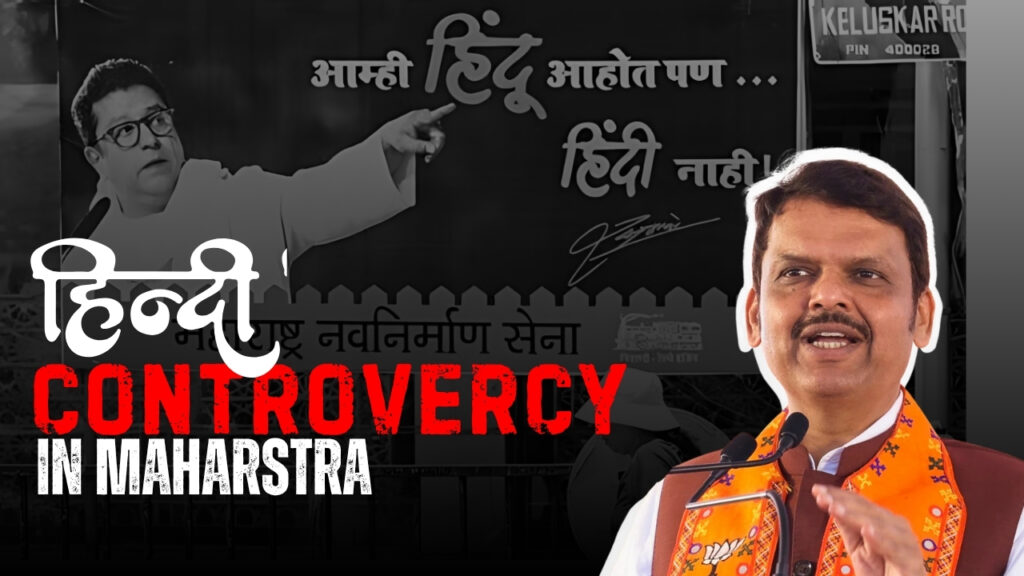
Why Is Maharashtra Debating Over Hindi in Schools?

Recently, the Maharashtra government decided to introduce Hindi as a mandatory third language in all English and Marathi medium State Board schools, starting from Grade 1 to Grade 5. This move was based on the National Education Policy (NEP) 2020, which encourages learning multiple languages. What Changed? Earlier, students in these schools studied two languages (like Marathi and English) from Grades 1 to 4. A third language (usually Hindi) was introduced only from Grade 5. But with the new policy, the government wanted students to learn three languages from the start — and made Hindi compulsory as the third one. The Controversy: After the decision was announced in April 2024, there was strong opposition from various groups, including educators, parents, and political leaders. Critics argued that: Due to the backlash, the government withdrew the two orders related to Hindi in primary schools. What’s Happening Now? The Maharashtra government has now formed a committee, led by economist Dr. Narendra Jadhav, to carefully study the issue and suggest how to implement the three-language policy in a balanced and inclusive way. What Does NEP 2020 Say? The National Education Policy (NEP) 2020 recommends that students learn three languages, with at least two being native to India. It doesn’t say which specific language must be chosen — states are allowed to decide based on local context. In Summary:

Why Is Maharashtra Debating Over Hindi in Schools? Read More »

Top 5 UPSC Coaching Institutes in Varanasi for Aspiring Civil Servants

Discover the top UPSC coaching institutes in Varanasi that can help you ace your civil services exam. Explore facilities, teaching methods, and success rates for the best preparation. Top 5 UPSC Coaching Institutes in Varanasi for Aspiring Civil Servants Preparing for the UPSC examination is no small feat. It requires dedication, discipline, and the right guidance. In Varanasi, a city rich in history and culture, students can find some of the best UPSC coaching institutes that can help them achieve their dream of becoming a civil servant. In this blog post, we’ll explore the top 5 UPSC coaching institutes in Varanasi and what makes them stand out. Why Choose Coaching for UPSC Preparation? Many aspirants wonder whether joining a coaching institute is necessary for UPSC preparation. While self-study is essential, coaching provides structured learning, expert guidance, and a competitive environment that can enhance your preparation. Here’s how coaching can benefit you: Structured Curriculum: Coaching institutes design a thorough curriculum that covers all aspects of the UPSC syllabus. Expert Guidance: Experienced faculty can guide you through difficult topics and provide insights on exam patterns. Peer Support: Studying with like-minded individuals motivates and keeps you focused. Regular Assessments: Frequent tests help track your progress and identify areas needing improvement. Top Coaching Institutes in Varanasi 1. The Civil way The civil way is one of the most reputable coaching centers in Varanasi. They offer a comprehensive course covering all UPSC subjects with experienced faculty. Many successful candidates attribute their achievement to the rigorous training provided by this institute. for more detail check edubird  Location: pandeypur, Varanasi Courses Offered: 1-year, 2-year, and 3-year programs Fees: Approximately ₹ ** ,000 Mode:  offline classes Highlights: Known for its result-oriented approach, the civil way offers comprehensive study materials, regular mock tests, and personalized mentorship. best upsc IAS coaching center in varanasi Free Demo classes available 2. Vision IAS With a focus on quality education, Vision IAS provides expert faculty and extensive study material. Their coaching approach is interactive, encouraging student participation to strengthen conceptual understanding. 3. IAS Baba IAS Baba has gained popularity for its innovative teaching methods and robust support system. They emphasize personal mentoring and consistent performance tracking to ensure students stay on track with their preparation. 4. Scholar Academy Scholar Academy offers specialized courses tailored to individual needs. They provide a nurturing environment and flexible timings, making it easier for working professionals to attend classes. 5. Brain Tree IAS Brain Tree IAS is recognized for its commitment to guiding students through the UPSC exam journey. Their methodology includes regular mock tests and comprehensive feedback sessions to enhance students’ performance. Factors to Consider When Choosing a Coaching Institute While selecting a coaching institute can be challenging, here are some essential factors to help make your decision easier: Faculty Experience: Look for institutes with qualified and experienced educators. Success Rate: Research the success rates and student testimonials. Study Material: Ensure the institute provides updated study material and resources. Location and Accessibility: Choose a location that is convenient for you to attend classes regularly. Fee Structure: Evaluate if the fees align with your budget and the value provided. Final Thoughts Choosing the right UPSC coaching institute in Varanasi can significantly impact your preparation journey. It’s crucial to assess your needs and find a place that aligns with your goals. Remember, while coaching can guide you, personal dedication and hard work remain the key to success. Start your journey today and take a step closer to achieving your dream of becoming a civil servant!

Top 5 UPSC Coaching Institutes in Varanasi for Aspiring Civil Servants Read More »

Mastering the UPSC Exam: Expert Tips and Strategies for Success

Discover effective strategies and tips to crack the UPSC exam, emphasizing preparation techniques and study planning, tailored for aspiring civil servants. Mastering the UPSC Exam: Expert Tips and Strategies for Success Cracking the UPSC exam requires dedication, strategic planning, and an unwavering commitment to your goals. As one of the most challenging exams in India, meticulous preparation is key to succeeding and achieving your dream of becoming a civil servant. Understanding the UPSC Exam The Union Public Service Commission (UPSC) exam is a gateway to prestigious positions in the Indian civil services. It consists of three stages: Preliminary, Mains, and Interview. Each stage tests different skills and knowledge bases, making a comprehensive preparation strategy essential. Create a Study Plan An effective study plan involves a balanced approach to all subjects. Allocate sufficient time for each subject and focus on consistent daily study to ensure adequate preparation for all exam stages. Focus on Current Affairs Stay updated with current affairs, as they play a crucial role in both the preliminary and main exams. Regularly read newspapers, follow reputable news portals, and consider subscribing to magazines focused on current national and international events. Choose the Right Optional Subject The choice of optional subject can greatly influence your score in the mains. Choose a subject you are passionate about and can score well in, and dedicate sufficient time to mastering it. Practice Previous Year Papers Solving previous years’ question papers and taking mock tests can help you understand the exam pattern and time management. It also identifies areas that require more focus and improvement. Enhance Your Writing Skills Since the mains exams are descriptive, practicing answer writing is crucial. Work on structuring your answers well and articulating your thoughts clearly and concisely. Develop a Healthy Routine Maintaining a healthy lifestyle is vital during your preparation. Ensure you get adequate sleep, follow a balanced diet, and engage in regular physical activities to keep stress levels in check. Join a Study Group Study groups can offer support and motivation. They provide opportunities to discuss topics, share resources, and gain new perspectives, making the learning process engaging and interactive. Stay Motivated Preparation for UPSC is a marathon, not a sprint. Stay motivated by setting achievable goals and rewarding yourself for small accomplishments along the way. Remember, perseverance is key. In conclusion, cracking the UPSC exam demands a well-structured approach, consistent hard work, and a positive mindset. With the right resources and strategies, you’re well on your way to success. Understand exam requirements thoroughly. Create and stick to a realistic study schedule. Stay updated with current affairs. Choose an optional subject wisely. Practice extensively with previous papers. Enhance writing skills for the mains. Maintain a balanced and healthy routine. Join a study group for collaborative learning.

Mastering the UPSC Exam: Expert Tips and Strategies for Success Read More »

Discover the Best UPSC Coaching in Varanasi: Your Path to Success

Explore the top UPSC coaching institutes in Varanasi to enhance your preparation and succeed in your civil services examination. Discover the Best UPSC Coaching in Varanasi: Your Path to Success Are you aspiring to become a civil servant in India? Preparing for the UPSC examination can be daunting, but the right coaching can make a world of difference. In this blog, we will delve into the best UPSC coaching institutes in Varanasi that can help you streamline your preparation and excel in the examination. Why Choose Varanasi for UPSC Coaching? Varanasi is not only a city of great historical significance but also a hub for education, especially in the field of competitive exams. The city’s rich educational culture and access to experienced faculty make it an ideal choice for UPSC aspirants. Key Factors to Consider When Choosing a UPSC Coaching Institute Before we list the best coaching institutes in Varanasi, let’s explore some essential factors you should consider: Faculty Experience: Experienced teachers can provide valuable insights and guidance. Course Structure: A well-structured syllabus can help you cover all topics effectively. Student Reviews: Feedback from previous students can shed light on the institute’s effectiveness. Batch Size: Smaller batches usually ensure more personalized attention. Location: A convenient location can save you time and energy. Top UPSC Coaching Institutes in Varanasi Here is a curated list of some of the best UPSC coaching institutes in Varanasi: 1. Chanakya IAS Academy With a reputation for excellence, Chanakya IAS Academy offers comprehensive courses that cover the entire UPSC syllabus. Their experienced faculty and proven track record of success make them a top choice for aspirants. 2. Vision IAS Vision IAS is widely recognized for its structured approach to UPSC coaching. They provide extensive study materials, online resources, and regular mock tests to keep students well-prepared. 3. Shankar IAS Academy Known for its specialized teaching methods, Shankar IAS Academy focuses on building a strong conceptual foundation. Their educators are former civil servants or experts in their fields. 4. Drishti IAS Drishti IAS is popular for its detailed study programs and interactive learning environment. They emphasize the importance of current affairs and analytical skills, crucial for UPSC success. Benefits of Joining a Coaching Institute While self-study is important, joining a coaching institute has its benefits: Structured Learning: Coaching institutes provide a systematic approach that can help you cover the vast UPSC syllabus efficiently. Focused Guidance: Mentorship from experienced faculty can clarify doubts and provide strategic insights. Peer Motivation: Being surrounded by like-minded individuals can boost your motivation and commitment to your studies. Conclusion Choosing the right UPSC coaching in Varanasi can be the stepping stone to your dream of becoming a civil servant. Each of the institutes mentioned above has its unique strengths, and it’s essential to choose one that aligns with your learning style and needs. Remember, your dedication and hard work, coupled with the right guidance, can lead to success in the UPSC examination. Start your journey today!

Discover the Best UPSC Coaching in Varanasi: Your Path to Success Read More »

DAILY CURRENT AFFAIRS IAS | UPSC Prelims and Mains Exam – 19th June – 2025

Archives (PRELIMS Focus) Rinderpest Category: SCIENCE AND TECHNOLOGY Context: ICAR-National Institute of High Security Animal Diseases (NIHSAD), Bhopal, being designated as a Category A Rinderpest Holding Facility (RHF) by the World Organisation for Animal Health (WOAH) and the FAO Decoding Context:  What Is Rinderpest? Rinderpest, or “cattle plague,” was a deadly livestock disease eradicated globally in 2011. However, Rinderpest Virus-Containing Material (RVCM) is still stored in select labs, posing potential biosecurity risks if mishandled. India’s Recognition NIHSAD, Bhopal, is now one of only six Category A RHFs worldwide, alongside facilities in the UK, USA, France, Japan, and Ethiopia. It is a high-containment BSL-3 lab and India’s national RVCM repository since 2012. India applied for this status in 2019, and after a thorough international inspection in March 2025, it was officially granted RHF status at the 92nd WOAH General Session in May 2025. Significance Strengthens India’s role in global biosecurity and disease prevention Validates India’s biosafety protocols and emergency preparedness Supports future research and vaccine material management Enhances India’s standing as a leader in animal health containment Learning Corner: List of important human and animal diseases along with their causative pathogens  Viral Diseases Disease Causative Virus Influenza (Flu) Influenza virus (Type A, B, C) COVID-19 SARS-CoV-2 Dengue Dengue virus (Flavivirus) Measles Measles virus (Paramyxovirus) Mumps Mumps virus (Paramyxovirus) Rubella (German Measles) Rubella virus Rabies Rabies virus (Lyssavirus) Poliomyelitis Poliovirus (Enterovirus) Hepatitis A & E HAV, HEV Hepatitis B & C HBV (DNA), HCV (RNA) HIV/AIDS Human Immunodeficiency Virus Smallpox (Eradicated) Variola virus Chickenpox Varicella-Zoster virus Rinderpest (Eradicated) Rinderpest virus (Morbillivirus) Foot-and-Mouth Disease FMD virus (Aphthovirus)   Bacterial Diseases Disease Causative Bacterium Tuberculosis Mycobacterium tuberculosis Typhoid Salmonella typhi Cholera Vibrio cholerae Plague Yersinia pestis Diphtheria Corynebacterium diphtheriae Pertussis (Whooping Cough) Bordetella pertussis Tetanus Clostridium tetani Leprosy (Hansen’s Disease) Mycobacterium leprae Pneumonia Streptococcus pneumoniae, others Syphilis Treponema pallidum Anthrax Bacillus anthracis Brucellosis Brucella species   III. Protozoan Diseases Disease Causative Protozoan Malaria Plasmodium spp. (P. falciparum, etc.) Amoebiasis Entamoeba histolytica Sleeping Sickness Trypanosoma brucei Chagas Disease Trypanosoma cruzi Giardiasis Giardia lamblia Leishmaniasis (Kala Azar) Leishmania donovani Toxoplasmosis Toxoplasma gondii   Fungal Diseases Disease Causative Fungus Ringworm Trichophyton spp., others Athlete’s Foot Tinea pedis Candidiasis (Thrush) Candida albicans Aspergillosis Aspergillus spp. Histoplasmosis Histoplasma capsulatum   Prion Diseases (Rare, Degenerative) Disease Causative Agent Creutzfeldt–Jakob Disease (CJD) Prions (misfolded proteins) Mad Cow Disease (BSE) Prions Source: PIB Revision of GDP Base Year and Methodology Category: ECONOMICS Context: Revision of GDP Base Year and Methodology Purpose of Revising the Base Year: Reflect Current Economy: As economies evolve, sectoral contributions, consumption patterns, and new industries (like digital platforms and fintech) emerge. A revised base year ensures GDP reflects these changes. Use Better Data and Methods: Improved surveys and administrative records enhance the accuracy of GDP estimates. Methodological updates align with global statistical standards. Capture Post-Pandemic Shifts: Events like COVID-19 altered production and consumption patterns. A new base year captures these realities. Ensure International Comparability: Aligns India’s data with global norms, boosting credibility. How It Works: An expert committee recommends changes. A “normal” year is selected as the base year—free of economic shocks and recent enough to be relevant. Why the 2026 Revision Matters for India Key Implications: Improved Accuracy: Addresses concerns from the 2015 revision and provides more transparent, realistic estimates using 2022–23 as the new base year. Better Policy-Making: More precise data aids in targeting policies, especially in emerging sectors. Boosts Investor Confidence: Up-to-date economic indicators enhance India’s image and trustworthiness in global markets. Refined Growth Trends: Revised data may adjust past GDP growth rates, offering a clearer picture of the economy. Harmonized Indicators: Other indices like CPI and IIP will also be updated, ensuring consistency. Learning Corner: Important terms related to GDP Gross Domestic Product (GDP) Definition: GDP is the total monetary value of all final goods and services produced within the geographical boundaries of a country during a specific time period (usually a year). Includes: Production by both domestic and foreign entities within the country Measured at market prices Types: Nominal GDP: At current market prices Real GDP: Adjusted for inflation (base year prices) Gross National Product (GNP) Definition: GNP is the total monetary value of all final goods and services produced by the residents (nationals) of a country in a given period, irrespective of their location. Formula: GNP = GDP + Net Factor Income from Abroad (NFIA) NFIA = Income earned by Indians abroad – Income earned by foreigners in India Net National Product (NNP) Definition: NNP is the GNP after deducting depreciation (consumption of fixed capital). It shows the net output available for consumption or saving. Formula: NNP = GNP – Depreciation Two measures: NNP at Market Price NNP at Factor Cost (also called National Income) National Income (NI) Definition: National Income is the net monetary value of all goods and services produced by a country’s nationals during a year, measured at factor cost. Formula: National Income = NNP at Factor Cost Includes: Wages and salaries Rent Interest Profits Mixed income of self-employed Source: THE INDIAN EXPRESS Falcon 2000 Category: ECONOMICS Context :  French aerospace firm Dassault Aviation and Reliance Aerostructure Ltd have announced a joint venture to manufacture Falcon 2000 business jets in Nagpur, India. Key Highlights Location: MIHAN SEZ, Nagpur Aircraft: Falcon 2000; parts of Falcon 6X & 8X Scope: Fuselage and wing assembly to be shifted to India Estimated Capacity: Up to 24 aircraft annually Timeline: First made-in-India jet by 2028 Significance Make in India & Atmanirbhar Bharat: Major boost to domestic aerospace manufacturing Global Positioning: India joins elite countries (US, France, Canada, Brazil) producing business jets Exports: Aircraft will cater to both domestic and international markets Centre of Excellence: Nagpur facility to become Dassault’s first such hub outside France Market & Strategic Impact Cost Efficiency: Local assembly reduces labour and logistics costs Policy Support: Aligned with government aerospace incentives Challenges: Regulatory clearances, technology transfer, and maintaining global aviation standards Conclusion This joint venture places India on the global aerospace map, signalling its capability to manufacture high-end civilian aircraft. It

DAILY CURRENT AFFAIRS IAS | UPSC Prelims and Mains Exam – 19th June – 2025 Read More »

DAILY CURRENT AFFAIRS IAS | UPSC Prelims and Mains Exam – 20th June – 2025

Archives (PRELIMS Focus) Bridging the Propulsion Gap Category: SCIENCE AND TECHNOLOGY Context: India remains heavily reliant on imported aircraft engines, affecting its defence capabilities and strategic autonomy Decoding Context:  Key Developments: HF-24 Marut: India’s first indigenous fighter jet, developed in the 1950s-70s, underperformed due to lack of a powerful indigenous engine, relying instead on imported engines. Kaveri Engine Project: Launched in 1986 for the LCA Tejas, it failed to meet requirements even after decades of development and ₹2,000 crore in spending. Why It Matters: Engine Dependency: Recent disruptions (e.g., GE F404 engine delivery delays from the U.S.) highlight how foreign engine delays hinder military programs like the LCA Mk1A. Import Bottlenecks: India depends on imported engines for air, sea, and land systems—impacting tanks, submarines, aircraft, and ships. This creates strategic vulnerability. Impact on Future Projects: India’s 5th-gen AMCA and other defence programs risk delays unless engine self-sufficiency is prioritized. Strategic Importance: Indigenous propulsion tech is crucial for: Sustained military readiness. Reducing foreign dependency. Withstanding geopolitical shocks. It’s not just a technical issue but a national security imperative. Learning Corner: HF-24 Marut (India’s first indigenous fighter jet) Developed by Hindustan Aeronautics Limited (HAL) in the 1950s with German assistance (engineer Kurt Tank). A milestone in India’s aerospace history. Faced engine issues due to lack of indigenous jet engine. Used underpowered British Orpheus engines. Retired in 1990 due to poor engine performance and limited upgrades. Kaveri Engine Project Initiated in 1986 to power the LCA Tejas fighter. Developed by Gas Turbine Research Establishment (GTRE). Project delayed and unsuccessful due to technical challenges. ₹2,000+ crore spent without producing a viable combat-ready engine. Never inducted into the armed forces. AMCA Programme India’s 5th generation Advanced Medium Combat Aircraft (AMCA). Needs a more powerful indigenous engine (110 kN thrust). HAL negotiating with GE to co-develop an engine for AMCA. PM Modi announced $1 billion GE-HAL partnership to manufacture GE-414 engines in India. Source: THE HINDU International Conference to decipher Indus script Category: HISTORY Context: The Archaeological Survey of India (ASI) will organize a major international conference titled “Decipherment of Indus Script: Current Status and Way Forward” Purpose and Structure Aims to bring together global scholars and researchers to discuss the undeciphered Indus script. Will feature thematic sessions, presentations (in-person and virtual), and discussions. Registration and paper submission deadline: June 30, 2025. Background The Indus script, dating back to 3300–1300 BCE, remains undeciphered despite over a century of study. Found on seals, tablets, and pottery of the Harappan civilization across India, Pakistan, and Afghanistan. Conference Goals Assess the current research status. Outline future research directions. Promote interdisciplinary collaboration and support young scholars. Key Challenges Inscriptions are very short, limiting grammatical analysis. No bilingual texts exist for comparison. Underlying language remains unknown. Limited number and high symbol variation complicate interpretation. Recent Developments Renewed global interest, including a $1 million prize for decipherment. New archaeological finds in Tamil Nadu show possible links to Indus symbols. Ongoing debates connect the script to Dravidian languages and other cultural traditions. Learning Corner: Indus Valley Civilization (IVC Time Period: ~3300 BCE to 1300 BCE Mature Phase: ~2600 BCE to 1900 BCE Geographical Extent: Spread across present-day Pakistan, and northwestern India (Haryana, Punjab, Gujarat, Rajasthan). Major sites include: Harappa (Punjab, Pakistan) Mohenjo-daro (Sindh, Pakistan) Dholavira (Gujarat, India) Rakhigarhi (Haryana, India) Kalibangan, Lothal, Banawali Key Features of the Civilization Urban Planning: Grid-pattern streets, drainage systems, granaries, and citadels. Architecture: Use of burnt bricks, standardized weights and measures. Economy: Trade (including overseas with Mesopotamia), agriculture, crafts (beads, pottery, metallurgy). Society: Evidence suggests a relatively egalitarian structure; no clear evidence of kings or temples. Religion: No temples found; likely worship of nature, fertility cults, proto-Shiva (pashupati seal), mother goddess figurines. Decline: Gradual—due to environmental shifts (climate change, river drying), and possible socio-economic disruption. Indus Script: Key Points Nature: Pictographic or logo-syllabic script found on seals, pottery, tablets, and copper tools. Undeciphered: Despite over a century of study, the script has not been conclusively deciphered. First Reported: In the 1931 excavation report of Mohenjo-daro. Writing Direction: Generally, right to left. Number of Symbols: Around 400–600 distinct signs. Usage: Mostly short inscriptions (average 5 symbols), often used on seals for trade or identification. Challenges in Decipherment: No bilingual inscriptions (like Rosetta Stone) Very short texts—no grammar context Unknown language base Variations in signs Source: THE HINDU Arak Heavy Water Reactor Category: SCIENCE AND TECHNOLOGY Context :  Israël strike-hit Arak heavy water reactor was part of Tehran’s nuclear deal. About Arak Heavy Water Reactor  Located ~250 km southwest of Tehran, the Arak reactor has long been a global concern due to its capacity for producing weapons-grade plutonium. Originally designed to generate ~9 kg of plutonium per year—enough for one nuclear bomb annually. Role in the 2015 JCPOA (Iran Nuclear Deal) Iran agreed to redesign the Arak reactor to prevent plutonium production. The original core was disabled and filled with cement. The International Atomic Energy Agency (IAEA) verified the reactor was made inoperable and monitored modifications. Recent Developments (2025) June 19, 2025: Israeli airstrike damaged the reactor’s core seal and its heavy water production plant, aiming to prevent future weaponization. The reactor was not yet fueled, and the IAEA confirmed no radioactive risk. Concerns remain that Iran has not fully completed the redesign, with construction reportedly continuing and possible operation by 2026. Learning Corner: Types of Nuclear Reactors Pressurized Water Reactor (PWR) Moderator & Coolant: Light water (H₂O) Fuel: Enriched uranium (~3–5% U-235) Working: Water is pressurized to prevent boiling; heat is transferred via a steam generator. Example: Most reactors in the USA and France India: Kudankulam Nuclear Power Plant (built with Russian technology) Boiling Water Reactor (BWR) Moderator & Coolant: Light water Fuel: Enriched uranium Working: Water boils in the reactor core to generate steam directly for turbines. Example: Fukushima (Japan), Tarapur (India) India: Tarapur Units 1 & 2 (BWRs supplied by the US in the 1960s) Pressurized Heavy Water Reactor (PHWR) Moderator & Coolant: Heavy water (D₂O) Fuel: Natural uranium Working: Uses pressurized heavy water as both moderator

DAILY CURRENT AFFAIRS IAS | UPSC Prelims and Mains Exam – 20th June – 2025 Read More »

DAILY CURRENT AFFAIRS IAS | UPSC Prelims and Mains Exam – 21st June – 2025

Archives (PRELIMS Focus) India Post Payments Bank (IPPB) Category: ECONOMICS Context: India Post Payments Bank (IPPB) has been awarded the Digital Payments Award 2024–25 by the Department of Financial Services, Ministry of Finance Decoding Context:  It has significant role in expanding digital payments and promoting financial inclusion across India. The award was presented in New Delhi by Union Finance Minister Nirmala Sitharaman and Minister of State for Finance Pankaj Chaudhary. IPPB ranked first among all payments banks in the Performance Index for FY 2024–25, highlighting its strong digital banking performance and citizen-centric approach. By utilizing its vast network of over 2 lakh Postmen and Gramin Dak Sevaks, IPPB has extended digital financial services to remote and rural areas, supporting the government’s vision of a cash-light, digitally empowered economy. Learning Corner: India Post Payments Bank (IPPB) – Brief Note Launched: January 30, 2017 Owner: 100% Government of India (under the Department of Posts, Ministry of Communications) Headquarters: New Delhi Key Features: Established to leverage the postal network for providing banking services. Uses over 1.5 lakh post offices and 2 lakh postal staff (Postmen & Gramin Dak Sevaks) for last-mile delivery. Offers digital banking services such as savings accounts, money transfers, bill payments, and DBT (Direct Benefit Transfers). Focuses on financial inclusion by reaching unbanked and underbanked populations in rural and remote areas. Payment Banks in India – Overview Concept Introduced by: Reserve Bank of India (RBI) based on Nachiket Mor Committee recommendations in 2014 Launched: First licenses issued in 2015 Purpose: Enhance financial inclusion by providing small savings accounts and payments/remittance services to the underserved. Key Features: Can accept deposits up to ₹2 lakh per customer (limit may be revised by RBI). Cannot issue credit cards or give loans. Can offer services like: Savings/current accounts Mobile and online banking UPI, IMPS, NEFT, AEPS-based transactions Utility bill payments and insurance (through third parties) Examples of Payment Banks: India Post Payments Bank (IPPB) Airtel Payments Bank Paytm Payments Bank Fino Payments Bank NSDL Payments Bank Significance: Help bridge the urban-rural banking divide. Promote cashless economy and digital financial literacy. Act as a low-cost, technology-driven solution for basic banking services. Source: PIB India’s core sector Category: ECONOMICS Context: India’s core sector growth slowed to a nine-month low of 0.7% in May 2025 The decline was driven by contractions in electricity (-5.8%), fertilisers (-5.9%), natural gas (-3.6%), and crude oil (-1.8%). While steel (6.7%) and cement (9.2%) recorded strong growth, and coal and refinery products also saw gains, these were not enough to offset the overall weakness. Economists attribute the slowdown to excessive rainfall and early monsoon onset, which affected power generation and mining. Learning Corner: Core Sectors of the Indian Economy – Brief Note The Core Sectors are the key industries that have a major impact on the overall economic activity and industrial performance in India. These sectors are considered the foundation of industrial growth. Eight Core Sectors: Coal Crude Oil Natural Gas Refinery Products Fertilisers Steel Cement Electricity Key Points: These sectors collectively account for ~40.27% of the Index of Industrial Production (IIP). The performance of these sectors is released monthly by the Ministry of Commerce and Industry. Their growth is a leading indicator for measuring industrial performance and economic momentum. The Combined Index of Eight Core Industries (ICI) is used to track their performance. Importance: Core sectors supply essential inputs for other industries and influence infrastructure development, manufacturing, and economic stability. Any fluctuations in these sectors significantly affect the GDP, inflation, and employment levels. Index of Industrial Production (IIP) – Brief Note The Index of Industrial Production (IIP) is a key economic indicator that measures the growth rate of various sectors of the economy, such as manufacturing, mining, and electricity, over a given period. Released by: National Statistical Office (NSO), Ministry of Statistics and Programme Implementation (MoSPI) Base Year: Currently 2011–12 Components of IIP: Mining Manufacturing Electricity Use-Based Classification: Primary Goods Capital Goods Intermediate Goods Infrastructure/Construction Goods Consumer Durables Consumer Non-Durables Importance of IIP: Measures short-term changes in the volume of production. Acts as a barometer of industrial activity. Helps in economic planning, policy formulation, and investment decisions. Reflects the health of the industrial sector, which contributes significantly to GDP. Relation to Core Sectors: The Eight Core Sectors constitute around 40.27% of the weight in the IIP. Thus, performance in core industries has a direct impact on IIP trends. Source: THE HINDU UK Assisted Dying Bill Category: INTERNATIONAL Context :  British lawmakers have approved a landmark bill legalizing assisted dying for terminally ill adults in England and Wales. UK Assisted Dying Bill – Key Highlights Key Provisions: Applies to mentally competent adults (18+) diagnosed with a terminal illness and a life expectancy of less than six months. Requires approval from two doctors and a specialist panel (including a psychiatrist, social worker, and legal expert). Patients must self-administer the life-ending medication. Includes safeguards such as independent advocates for the disabled and a disability advisory board. Voluntary participation for medical professionals. Public and Political Response: The issue remains deeply divisive, balancing compassionate choice versus concerns over vulnerability and abuse. The Labour government has taken a neutral stance, allowing MPs to vote based on personal conscience. Once enacted, the UK would join countries like Canada, New Zealand, Spain, and several U.S. states in allowing assisted dying for terminally ill patients. Learning Corner: Assisted Dying / Euthanasia in India – Brief Note In India, the issue of assisted dying or euthanasia is legally, ethically, and socially sensitive. While active euthanasia remains illegal, passive euthanasia has been permitted under strict conditions. Types of Euthanasia: Active Euthanasia: Direct action (like administering a lethal injection) to end life. Illegal in India. Passive Euthanasia: Withholding or withdrawing medical treatment (like life support) that prolongs life in terminally ill patients. Legalized in 2018 under certain guidelines. Legal Framework: Key Case: Common Cause v. Union of India (2018) Supreme Court verdict recognized the right to die with dignity as part of Article 21 (Right to Life). Legalized passive euthanasia with strict procedural

DAILY CURRENT AFFAIRS IAS | UPSC Prelims and Mains Exam – 21st June – 2025 Read More »

DAILY CURRENT AFFAIRS IAS | UPSC Prelims and Mains Exam – 23rd June – 2025

Archives (PRELIMS Focus) Expansionary policy and economic slowdown Category: ECONOMICS Context: India have recently turned expansionary to address a slowing economy Decoding Context:  Key Points: RBI’s Expansionary Monetary Policy: The Reserve Bank of India (RBI) has cut the policy repo rate in two successive meetings, now at 5.5%. Falling inflation (within the 4% ± 2% target) has provided room for rate cuts. The aim is to stimulate private investment and growth. Fiscal Policy Shifts: Recent income tax cuts point to an expansionary fiscal stance. These are intended to increase disposable income and consumer spending. Policy Coordination Challenge: For macroeconomic stability, fiscal and monetary policy must be coordinated. If fiscal policy is expansionary but monetary policy is tight (or vice versa), the effects may cancel each other out. Household Behavior Issues: Households may delay spending tax gains, due to uncertainty or a forward-looking mindset, limiting the intended stimulus impact. Muted Growth Signals: Despite policy support, growth is weak: GDP forecast at 6.5%, credit growth fell to 9%, and unemployment rose to 5.6% in May 2025. Deficit Risk: Tax cuts may lead to a revenue shortfall, increasing the fiscal deficit unless offset by spending cuts. This could undermine long-term fiscal sustainability. Learning Corner: Tools to Adopt Expansionary Policy During Economic Slowdown During an economic slowdown, governments and central banks adopt expansionary policies to boost demand, investment, and employment. These tools can be categorized into fiscal and monetary measures: Fiscal Policy Tools (Handled by the Government) a) Increased Government Spending Direct investment in infrastructure, public services, welfare programs, etc. Boosts aggregate demand and creates jobs. b) Tax Cuts Reduction in personal income tax, corporate tax, or GST. Increases disposable income and encourages spending and investment. c) Subsidies & Transfers Targeted subsidies (e.g., on food, fuel) or cash transfers (like PM-KISAN). Helps low-income households maintain consumption during downturns. d) Public Sector Employment Schemes Programs like MGNREGA in India provide rural employment and support consumption. Monetary Policy Tools (Handled by the RBI or Central Bank) a) Repo Rate Cuts Reducing the repo rate lowers borrowing costs for banks, which passes on to consumers and businesses. Encourages loans and investment. b) Reduction in CRR/SLR Lower Cash Reserve Ratio (CRR) or Statutory Liquidity Ratio (SLR) frees up more funds for banks to lend. c) Open Market Operations (OMOs) Central bank buys government bonds to inject liquidity into the banking system. d) Quantitative Easing (QE) (used in advanced economies) Large-scale asset purchases by the central bank to infuse liquidity. e) Forward Guidance Assuring markets of low interest rates in the future to build investor confidence. Other Supportive Measures Credit Guarantee Schemes for MSMEs Regulatory Forbearance: Relaxation in banking norms to sustain credit flow Incentives for Exports/Startups Objective of Expansionary Policies Boost aggregate demand Increase employment Stimulate private investment Prevent deflation or recession Source: THE HINDU Antimicrobial Resistance Category: ENVIRONMENT Context: Fighting antimicrobial resistance with insect-based livestock feed Key Highlights: Problems with Traditional Livestock Feed: Leads to high greenhouse gas emissions, water and land use. Drives antimicrobial resistance (AMR) due to overuse of antibiotics. AMR is a growing threat with projected deaths increasing to 10 million by 2050 if unchecked. Insect-Based Feed: A Sustainable Alternative: Insects like black soldier fly larvae, crickets, locusts, etc., are being considered as high-protein feed sources. They can convert organic waste into protein-rich feed, reducing waste and emissions. Uses less land and water, produces fewer emissions, and is cost-effective. Indian Initiatives: CIBA and ICAR have signed MoUs to explore and scale up insect feed in shrimp and fish farming. Research is ongoing to evaluate nutritional benefits and scalability. Scientific Evidence: Insects offer better digestibility than soy or fish meal. 1 kg of soymeal can be replaced by 0.76 kg of crickets or 0.88 kg of locusts, making it efficient. They are rich in amino acids, healthy fats, and micronutrients. Global Support: The UN FAO supports insect farming to reduce AMR and meet rising protein demand sustainably. Learning Corner: Antimicrobial Resistance (AMR)  What is Antimicrobial Resistance (AMR)? Antimicrobial Resistance (AMR) occurs when microorganisms such as bacteria, viruses, fungi, and parasites evolve and no longer respond to medicines like antibiotics, antivirals, or antifungals. This makes infections harder to treat, increasing the risk of disease spread, severe illness, and death. Causes of AMR Overuse and misuse of antibiotics in humans and animals Incomplete dosage or self-medication Overuse in agriculture and livestock Poor infection control in hospitals and clinics Environmental contamination from pharmaceutical waste Global Impact AMR is a growing global health threat. Could cause 10 million deaths annually by 2050 if unchecked. Increases treatment costs, hospital stays, and mortality. Ways to Reduce AMR Rational Use of Antibiotics Prescribe only when necessary and complete the full course. Avoid self-medication and over-the-counter antibiotic use. Responsible Use in Agriculture Ban non-therapeutic use of antibiotics in animal feed. Promote alternatives like insect-based feed and vaccines. Improved Hygiene and Sanitation Handwashing, clean water, and infection control reduce the need for antibiotics. Stronger Surveillance and Regulation Monitor antibiotic use and resistance patterns. Enforce strict guidelines in healthcare and veterinary sectors. Promote R&D Invest in new antibiotics, diagnostics, and vaccines. Public Awareness Educate communities on the dangers of AMR and safe medicine practices. India’s Efforts National Action Plan on AMR (2017–2021) Red Line Campaign: Marking prescription-only antibiotics with a red line FSSAI regulations to curb antibiotic use in food-producing animals Source: THE HINDU INS Tamal Category: DEFENCE Context :  INS Tamal to be commissioned on July 1, 2025 Key Highlights Final Foreign-Built Warship: Marks the end of India’s reliance on foreign-built warships as focus shifts to indigenous shipbuilding under ‘Atmanirbhar Bharat’. Class & Design: 8th Krivak-class frigate 2nd in the upgraded Tushil-class (evolved from Talwar and Teg classes) Displacement: 3,900 tonnes | Length: 125m | Speed: 30+ knots Crew: Over 250 | Blue-water endurance Weapons & Systems: BrahMos cruise missiles, Shtil SAMs A190-01 100mm main gun CIWS, torpedoes, ASW rockets Advanced radar, EW, and electro-optical systems Network-centric warfare capable Indigenous Contribution: 26% Indian-made components Learning Corner: Frigates in Indian Defence What Are Frigates? Frigates

DAILY CURRENT AFFAIRS IAS | UPSC Prelims and Mains Exam – 23rd June – 2025 Read More »

    Book Your Free Demo Classes

    Powered by