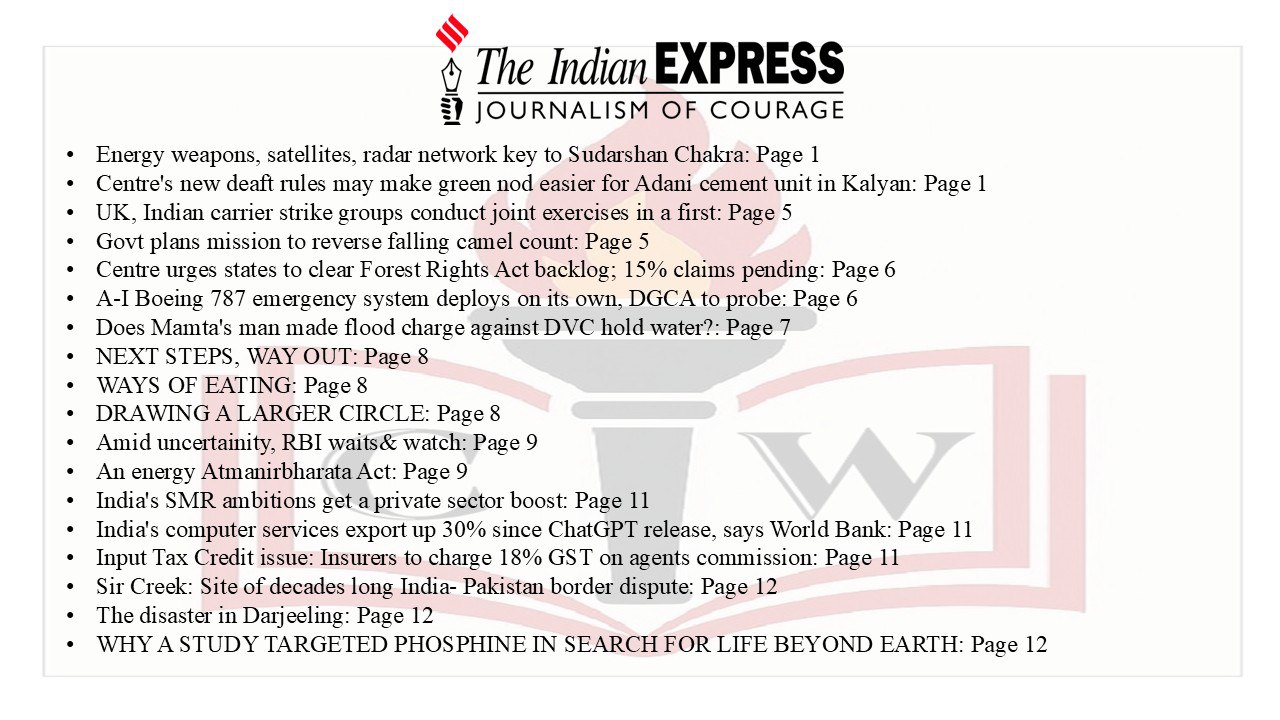
Here is a focused analysis on India’s geopolitical tightrope walk, covering the energy dispute and the strategic importance of the Great Nicobar project:
🌍 Geopolitical Tightrope: Energy, Sanctions, and Strategic Territory
India’s recent headlines demonstrate a policy of strategic autonomy, balancing discounted energy needs with Western sanctions, while simultaneously pursuing major infrastructure projects to secure its regional maritime position.
1. The Russian Oil Dilemma: Balancing East and West
India’s energy policy is dictated by the need for stable prices and secure supplies. This has led to a direct geopolitical conflict regarding discounted Russian crude oil:
- The Trump-MEA Standoff: The headline “Trump and MEA at odds over Russian oil imports” refers to a public contradiction. The US side claimed an assurance from PM Modi to stop Russian oil imports, which was then officially denied by the Ministry of External Affairs (MEA), reaffirming India’s commitment to its own energy security interests.
- The Sanctions Impact: The US has since slapped sanctions on top Russian oil firms “to push Moscow into peace talks”. This move directly impacts Indian refiners, who are “poised to cut buy” from sanctioned entities to avoid secondary sanctions.
- The Energy Reality: This pressure comes at a time when India’s reliance on imported crude oil creeps up further on demand growth, underscoring the necessity of affordable sources. The RBI has also flagged geopolitical risks as key threat to cross border payment, a direct consequence of the sanctions environment.
2. The Strategic Importance of Great Nicobar
The proposed Great Nicobar project is positioned as a key move to bolster India’s maritime trade and strategic presence in the Indian Ocean Region (IOR).
- Trade Boost: The headline states that India’s maritime global trade is set to get a boost with the proposed Great Nicobar project, according to Shah. The project involves the creation of a transshipment port that can compete with existing hubs like Singapore.
- Environmental Conflict: This major infrastructure plan faces immediate friction with environmental concerns, encapsulated in two headlines:
- “Great Nicobar revives the issue of nature’s legal rights”.
- “The mirage of port-led development in Great Nicobar”.
- Strategic Imperative: The Great Nicobar Islands, located near a crucial global shipping lane, are strategically vital for monitoring and securing India’s interests in the eastern IOR, counterbalancing growing influence from other powers.
3. Managing Regional and Global Geopolitics
India is simultaneously engaging in diplomacy to secure its short-term interests and its long-term vision for a reformed global order.
- Immediate Diplomacy: India demonstrated its role in humanitarian mediation by sending a Minister of State (MoS) as a special envoy to the Gaza summit in Egypt.
- Vision for Global Order: The Defence Minister calls for reformed multilateralism upholding the global order, signaling India’s desire for a more inclusive international structure that better reflects current geopolitical realities.
In summary, India is operating under the principle of strategic autonomy. It will procure essential resources from wherever they are available (Russian oil) until forced by sanctions to comply, while simultaneously pushing forward major projects (Great Nicobar) that enhance its long-term strategic and economic power, regardless of immediate domestic or international headwinds.