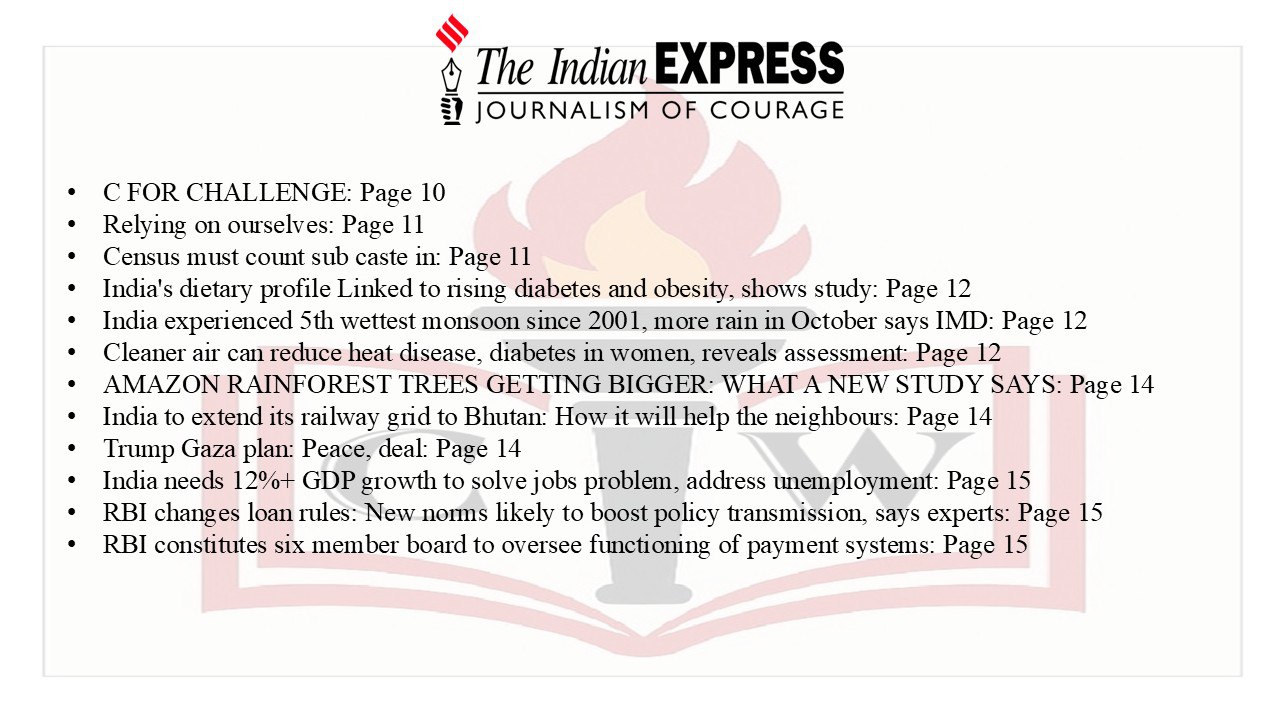
Here is a focused analysis of the impact of the CBAM levy on Indian exporters, and how it connects with other policy issues we’ve covered:
🇪🇺 Analysis: The CBAM Challenge and India’s Steel Industry
The headline “Indian iron and steel exporters face the highest CBAM levy” signals a major shift in international trade policy where carbon emissions are directly translated into a tariff burden for exporters to the European Union (EU).
1. The Mechanics and Financial Impact
- What is CBAM? The Carbon Border Adjustment Mechanism is essentially a tariff on high-carbon goods imported into the EU. Its goal is to prevent “carbon leakage,” where EU companies might shift production to countries with less stringent climate policies.
- Targeted Sector: Indian iron and steel exporters are the primary focus of this trade pressure.
- Highest Levy Imposed: According to a European think-tank, Indian iron and steel exporters face the highest estimated CBAM fees among all EU trade partners, totalling an estimated €301 million. This places India at a significant competitive disadvantage compared to other exporters.
- The Burden: This levy is a direct cost that Indian manufacturers must pay, or absorb, making their products more expensive in the crucial EU market and potentially threatening market share.
2. Connection to India’s Climate and Clean Energy Goals
The CBAM directly links India’s trade policy to its domestic climate action, aligning with other headlines in the report:
- Clean Energy Ambitions: The CBAM pressure underscores the urgency of the headline: “The ‘critical factor’ in India’s clean energy ambitions”. Reducing the carbon footprint of steel and other heavy industries is now not just an environmental goal, but an economic imperative to remain competitive internationally.
- Carbon Markets: The need for safeguards in India’s domestic carbon market, mentioned in the headline “Ensure safeguards for India’s carbon market”, becomes crucial. If India can establish a credible, robust domestic carbon pricing mechanism, it could potentially get its exports exempted from the EU’s CBAM, allowing the revenue to stay within the country.
3. Strategic Challenge
The CBAM is a major challenge for India’s manufacturing-led growth strategy, as it penalises the carbon-intensive manufacturing processes currently dominant in the steel sector.
- Policy Response: India will likely be pushed to accelerate the decarbonization of its manufacturing base through both green energy sourcing and technological upgrades to maintain its position as a major global exporter.
The CBAM is a real-world example of how environmental policy is becoming the next frontier in global trade wars, requiring India to pivot its industrial and climate strategies simultaneously.